Buying guide
How to Choose Your Suit Fabric: Wool, Mohair, Flannel Explained
Related to this article:
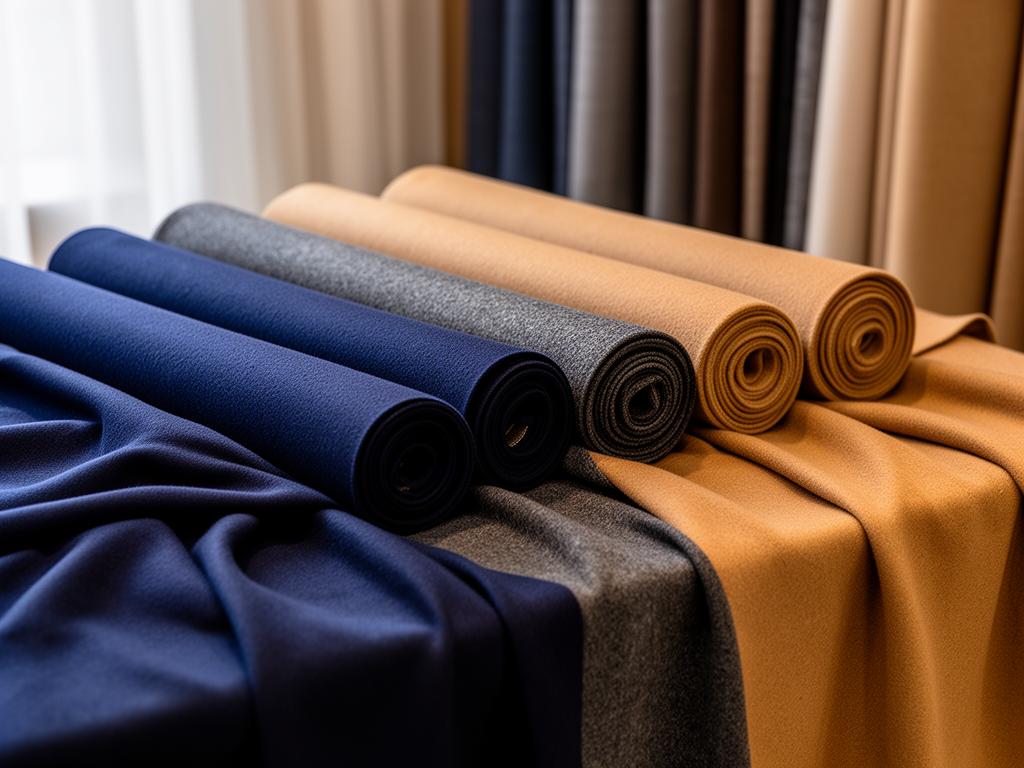
Explore the collectionHowever well cut, a suit is never better than the fabric it's made from. The fabric governs drape, breathability, wear resistance and, to a large extent, overall look. Here are the main families of fabric used in menswear tailoring, and how to guide your choice.
Worsted wool: the all-season fundamental
Worsted wool is the most common fabric in classic tailoring. Its long fibers, combed before spinning, give a smooth, even surface, a clean drape and good wrinkle resistance. It comes in several weights: lightweight wools (Super 110's to 150's) suit temperate climates and year-round wear indoors; heavier wools (280 to 340 g/m²) are ideal in winter or for intensive daily use.
It's the safest choice for a first, versatile suit: office, meetings, understated formal occasions.
Flannel: winter texture and warmth
Woven more loosely and often lightly brushed on the surface, flannel offers a matte look, a soft touch, and more warmth than classic worsted wool. Charcoal flannel remains a historic reference for winter suiting, particularly suited to cold-season office wear. Its texture also forgives creasing more easily than a smooth fabric.
Mohair: summer sheen and structure
Often blended with wool (typically 20 to 50% mohair), this fabric from angora goat hair adds a subtle sheen, excellent wrinkle resistance, and a cool feel when worn. Highly prized for eveningwear and summer suits, it gives a sharper, almost architectural look compared to matte wool.
Cashmere and noble blends: the bespoke register
Cashmere, alone or blended with wool, offers unmatched softness and lightness, at the cost of lower wear resistance — generally reserved for pieces worn with care rather than daily hard use. Wool-silk-cashmere blends (often called "super blends") aim for a balance of structure, subtle sheen and comfort, highly sought after in high-end bespoke.
How to choose by season and use
- Versatile year-round suit: Super 120's-130's worsted wool, medium weight (260-280 g/m²).
- Winter, daily office wear: flannel or heavier worsted wool.
- Summer, formal event or evening: lightweight wool-mohair blend.
- A showpiece, bespoke: wool-silk-cashmere blend.
A simple rule: the lighter and finer a fabric, the more care it demands — worn gently, stored on a hanger. That's the price of its lightness. A denser fabric will forgive more intensive use.
Frequently asked questions
What does "Super 120's" mean on a fabric label?
This number indicates the fineness of the wool fiber (the higher, the finer) — it affects comfort and drape, but not necessarily durability: a very fine fiber can be more fragile under heavy use.
Is mohair suitable for a suit worn year-round?
A lightweight wool-mohair blend works very well for spring and summer; for true year-round use, classic worsted wool remains more versatile.
Can I request a specific fabric for a Smalto bespoke suit?
Yes, fabric choice is an integral part of the bespoke process — to discuss directly during your boutique appointment.
Want to discover the Maison Smalto collection?
Explore the collection