Buying guide
Made-to-Measure vs Ready-to-Wear Suits: What's the Real Difference?
Related to this article:
Explore the collection"Made-to-measure" is one of the most overused terms in menswear. Yet it covers very different realities depending on the house you turn to. Before investing in a suit, it's worth understanding precisely what sets bespoke, made-to-measure and ready-to-wear apart — three approaches Maison Smalto practices, each with its own logic.
Ready-to-wear: a standardized cut, available now
A ready-to-wear suit is manufactured in series, across a standard size grid (typically 46 to 56 in EU sizing). Its cut is designed to fit the widest range of body types close to the average. It's the fastest and most accessible option: try it in-store, walk out with it, perhaps after a minor sleeve or trouser-length alteration.
The upside is immediate availability and a controlled price. The limit is obvious for any physique that departs from the standard: an asymmetrical build, rounded shoulders, or long arms will always require a compromise.
Made-to-measure: a standard base, a personalized fit
Made-to-measure starts from a base pattern — often the ready-to-wear one — adjusted to the client's precise measurements: sleeve length, chest, back curve. You also choose the fabric, and sometimes the lining, buttons or lapel style.
It's an excellent compromise between personalization and reasonable lead time (typically a few weeks), at a price between ready-to-wear and full bespoke.
Full bespoke: a cut designed from scratch
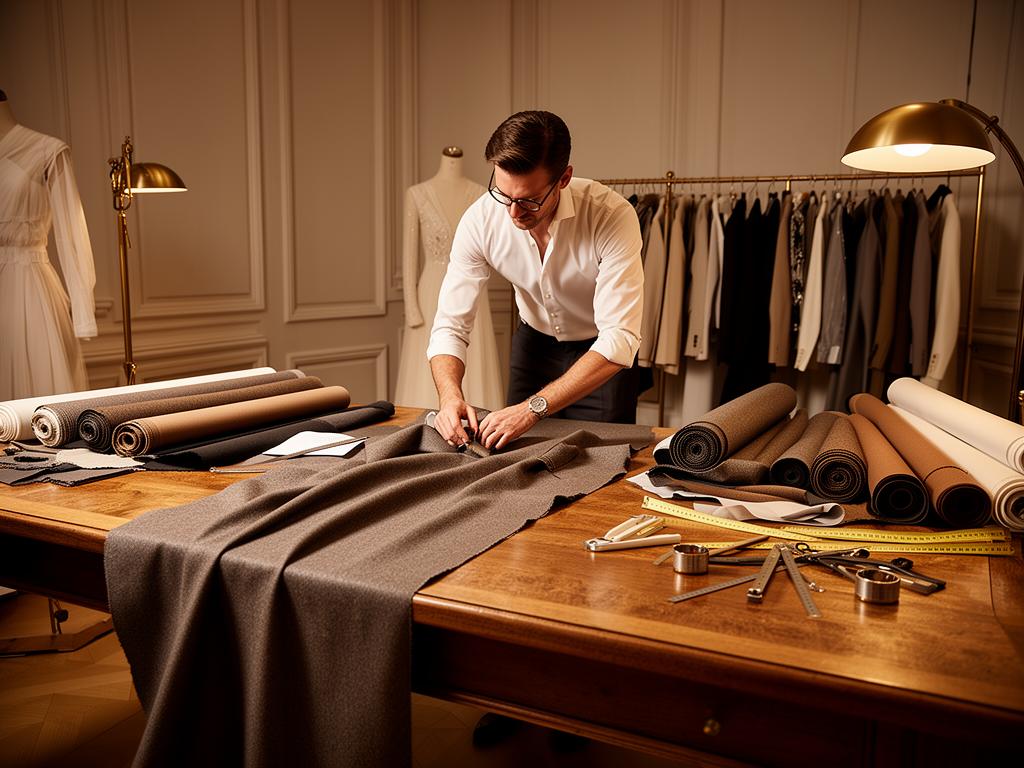
True bespoke starts from no pre-existing pattern at all. The tailor takes the client's complete measurements, observes posture and movement habits, and draws a unique pattern for that person alone. The suit is then constructed, fitted, and adjusted — sometimes over several sessions — before its final finishing.
It's the most time-intensive method (several weeks to several months depending on the house) and the most expensive, but also the only one able to correct any physical particularity and offer unmatched freedom of movement.
How to choose based on your needs
- A one-off need, a controlled budget, a standard build: Smalto ready-to-wear, with alterations, is more than enough.
- A build that departs from standard sizing, or a wish for personalization (fabric, details) without waiting months: made-to-measure is the right compromise.
- A major event (wedding, senior leadership role) or an absolute demand for fit: full bespoke remains the reference.
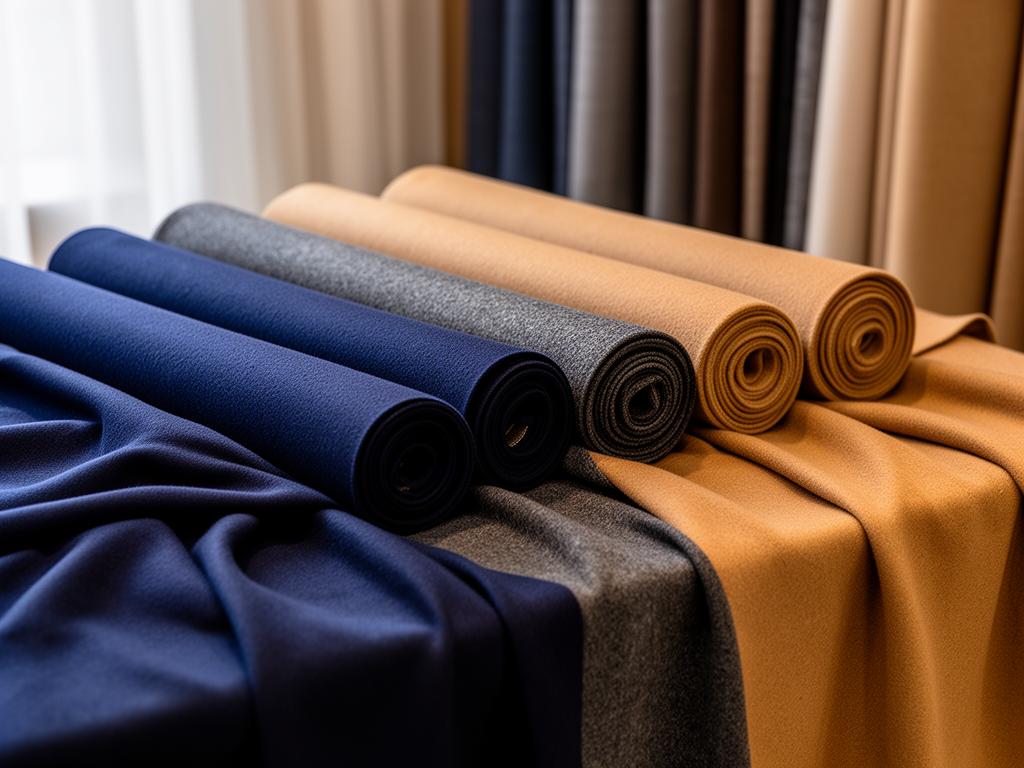
In all three cases, fabric matters as much as cut: an excellent fabric can elevate a well-chosen ready-to-wear suit, while a mediocre fabric will let down even the finest bespoke work.
Frequently asked questions
Is made-to-measure as good as full bespoke?
It doesn't offer the same freedom to correct body particularities, but it delivers real personalization at a more accessible lead time and price — an excellent compromise for most needs.
How long does a Smalto bespoke suit take?
It varies with the complexity of the order, typically from several weeks to a few months, fittings included. Book a boutique appointment for a precise timeline.
Can a Smalto ready-to-wear suit be altered?
Yes, sleeve length, trouser length and waist adjustments are common and recommended for a perfect drape.
Want to discover the Maison Smalto collection?
Explore the collection